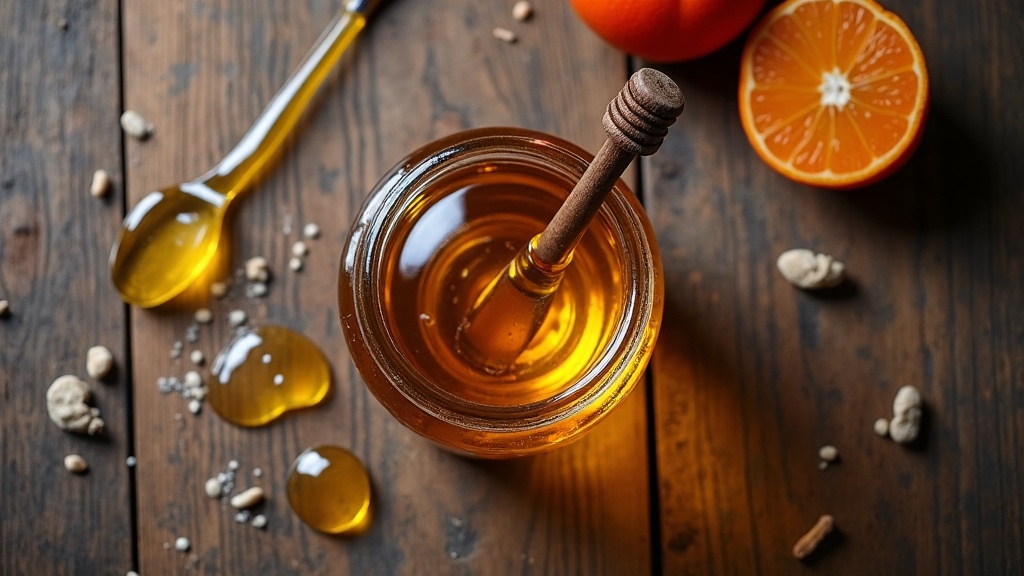
A Closer Look at Neighborhood Market Habits

Why Biblical drink (oil)/ Honey blend Keeps Showing Up in Neighborhood Market Baskets

Long before supplements and labels, home cooks carried Biblical drink (oil)/ Honey blend from the market stall to the kitchen table. This page looks at the habit — not a diagnosis, not a treatment, just a piece of everyday cooking history worth knowing.

Everyday Nutrition  ·  Daily Habits  ·  Educational Content  ·  Everyday Nutrition  ·  Daily Habits  ·  Educational Content

The Parts of the Day Nobody Talks About

Anyone paying attention to their blood sugar knows the routine has its own rhythm — and its own rough patches. None of this is about diagnosing yourself — always loop in the doctor who manages your care for anything that feels off.

The Weight of Every Meal Decision

Three times a day, the same question returns: what goes on the plate this time? The mental load adds up before the fork even touches the food.

Mornings That Start Slow

Some mornings the body feels like it's running on empty before the day has even started, no matter how much sleep came before.

The Post-Lunch Rollercoaster

Energy climbs, then drops hard by mid-afternoon — a pattern many people notice but rarely plan around.

Too Much Conflicting Advice

One article says avoid carbs entirely, another says fruit is fine, a third says neither — the confusion about what to eat is its own kind of tiring.

Kitchen Table Myths vs. What Tradition Actually Says

Some ideas about food get repeated so often they start to sound like fact. Here’s a closer look at three of the most common.

MYTH

Myth: All carbohydrates are the enemy.

FACT

Fact: Carbohydrates are a broad category — whole grains, vegetables, and legumes behave very differently on the plate than refined, processed options.

MYTH

Myth: Fruit is just sugar in disguise.

FACT

Fact: Whole fruit comes with fiber and water that change how a meal feels and how it’s eaten — very different from fruit juice or dried, sugared versions.

MYTH

Myth: There’s a special category of “diabetic food.”

FACT

Fact: Most everyday guidance points to shared family meals built with thoughtful portions and variety, not a separate aisle of products.

Three Habits Around the Table, Not a Diet Plan

These are habits about how a meal happens, not a set of rules about what’s forbidden. Always check any changes to routine with the professional who knows your health history.

01

Order Matters on the Plate

Some home cooks start with vegetables, move to protein, and leave starches for last — a small sequencing habit passed down more than it’s studied.

02

Slow Down the Pace of the Meal

Eating without rushing gives a meal room to be noticed. Many traditional table customs — pausing between courses, talking, sipping water — build this in naturally.

03

A Short Walk After Eating

In many cultures, a slow walk after the main meal is just what’s done. It’s a gentle habit, not a fitness routine, and it costs nothing but a few minutes.

Where Biblical drink (oil)/ Honey blend Comes From

Long before it had a marketing name, this blend of oil and honey showed up in home kitchens near olive groves and beekeeping communities, where both ingredients were already pantry staples. Cooks combined them for bread dipping, for finishing roasted vegetables, or for stirring into warm drinks on cold mornings. It traveled through open-air markets the same way herbs and spices did — passed from stall to stall, recipe to recipe, mother to daughter. The pairing shows up in old regional cookbooks not as medicine, but as flavor: a way to make simple food taste a little richer.

The story here is culinary, not clinical — a pantry habit with deep roots in home cooking, not a claim about what it does inside the body.

Everyday Moments Worth Mentioning to Your Doctor

Energy That Swings Hard, Day After Day

If afternoons keep bringing the same steep dip in energy, it's worth describing to the doctor who follows your care.

Meals That Feel Harder to Plan Than Usual

When deciding what to eat starts feeling overwhelming rather than routine, that's a good detail to bring up at your next appointment.

Sleep That Doesn't Leave You Rested

Waking up tired despite a full night's sleep is worth a conversation with your healthcare provider, especially if it's a new pattern.

Noticeable Shifts in Appetite

Sudden changes in hunger — much more or much less than usual — are worth mentioning at your next checkup.

Any New Physical Sensation You Can't Explain

Tingling, unusual thirst, or other new sensations deserve a proper evaluation, not a guess based on something read online.

Questions About Your Current Routine

If you're wondering whether to change anything about your meals, movement, or medication, that question belongs with your doctor — never as a self-directed change.

How Some Home Cooks Talk About Their Routine

I started planning my grocery list around the market days instead of grabbing whatever's convenient. My meals feel less rushed now.

Marisol T.
Illustrative account
Honestly, the biggest change was slowing down at dinner. My family talks more, and the meal just feels less like a chore.
Desmond K.
Illustrative account
Walking after dinner became a habit I actually look forward to. It's simple, and it gives the evening a nice pause.
Priya N.
Illustrative account

These are personal accounts shared for illustration only. They describe routine and meal organization, not medical outcomes. Individual experiences vary, and results are not guaranteed.

A Habit Worth Bringing to the Table

Explore how a market-day mindset and simple meal habits fit into everyday life. This page is educational — always talk with your doctor before changing your diet, routine, or any prescribed treatment.

Advertising Disclosure: This page contains sponsored content and affiliate links. We may receive compensation if you click a link or make a purchase through the links provided. This helps support the content on this site at no additional cost to you.

Content Disclaimer: This content is for educational purposes only and has not been evaluated by the FDA. It is not intended to diagnose, treat, cure, or prevent any disease, and it does not substitute for professional medical advice. Always consult a qualified healthcare professional before changing your diet, routine, or any prescribed treatment.

Results Disclaimer: Individual results and experiences vary from person to person. Testimonials and personal accounts shared on this page are not a guarantee of any particular outcome.

© 2026 cloverstandard.com · All Rights Reserved